Buy visaguide.eu ?
We are moving the project
visaguide.eu .
Are you interested in purchasing the domain
visaguide.eu ?
domain@kv-gmbh.de · 0541-91531010
Buy visaguide.eu ?
Why don't we explore the depths of the oceans?
Exploring the depths of the oceans is challenging due to the extreme pressure, darkness, and cold temperatures that exist in these environments. These conditions make it difficult for humans to survive and for technology to function effectively. Additionally, the vastness of the oceans and the high costs associated with deep-sea exploration present logistical and financial challenges. Despite these obstacles, there is ongoing interest and investment in developing new technologies and methods to explore the depths of the oceans in order to better understand and protect these important and diverse ecosystems. **
Is it easier to explore the universe than our oceans?
Exploring the universe and our oceans both present unique challenges. However, in some ways, it may be easier to explore the universe than our oceans. Space exploration can be done remotely using telescopes and probes, while exploring the depths of our oceans requires physically sending humans or submersibles to extreme pressures and depths. Additionally, the vastness of space means there is a lot of unexplored territory, while the oceans cover 70% of the Earth's surface and are already difficult to navigate due to their depth and complexity. **

Similar search terms for Oceans
Top-Angebote
Products related to Oceans:
-
Oceans - Coma Inducer® Oversized Comforter Set - Navy CurrentInspired by the vastness and ever-changing colors of the blue ocean. The time of day, angle of your view, or even weather conditions can seem to enhance the endless depth of the ocean.173,82 $*Shipping: 0,00 $Secure redirect to the provider
-
Oceans - Coma Inducer® Oversized Comforter Set - Navy CurrentInspired by the vastness and ever-changing colors of the blue ocean. The time of day, angle of your view, or even weather conditions can seem to enhance the endless depth of the ocean.265,49 $*Shipping: 0,00 $Secure redirect to the provider


-
Where are the oceans?
The oceans cover about 71% of the Earth's surface. They are interconnected bodies of saltwater that surround the continents. The five main oceans are the Pacific Ocean, Atlantic Ocean, Indian Ocean, Southern Ocean, and Arctic Ocean. These vast bodies of water play a crucial role in regulating the Earth's climate and supporting marine life. **
-
How many continents and oceans?
There are 7 continents and 5 oceans on Earth. **
-
Which world oceans are there?
There are five world oceans: the Pacific Ocean, the Atlantic Ocean, the Indian Ocean, the Southern Ocean, and the Arctic Ocean. These oceans cover a vast majority of the Earth's surface and play a crucial role in regulating the planet's climate and weather patterns. Each ocean has its own unique characteristics, marine life, and importance in the global ecosystem. **
-
When did the Earth's oceans form?
The Earth's oceans are believed to have formed around 4.4 billion years ago, not long after the Earth itself was formed. The water that makes up the oceans is thought to have come from the interior of the Earth through volcanic activity, as well as from icy comets and asteroids that collided with the planet. Over time, the oceans have played a crucial role in shaping the Earth's climate, geology, and the evolution of life. **


What oceans are there on Earth?
There are five main oceans on Earth: the Pacific Ocean, the Atlantic Ocean, the Indian Ocean, the Southern Ocean, and the Arctic Ocean. These oceans cover approximately 71% of the Earth's surface and play a crucial role in regulating the planet's climate and weather patterns. Each ocean has its own unique characteristics, marine life, and importance in the global ecosystem. **
Where are the three oceans located?
The three oceans are located on Earth. The Pacific Ocean is located between the Americas to the east and Asia and Australia to the west. The Atlantic Ocean is located between the Americas to the west and Europe and Africa to the east. The Indian Ocean is located between Africa to the west, Asia to the north, Australia to the east, and Antarctica to the south. **
Top-Angebote
Products related to Oceans:
-
Oceans - Coma Inducer® Oversized Comforter Set - Navy CurrentInspired by the vastness and ever-changing colors of the blue ocean. The time of day, angle of your view, or even weather conditions can seem to enhance the endless depth of the ocean.129,35 $*Shipping: 0,00 $Secure redirect to the provider
-
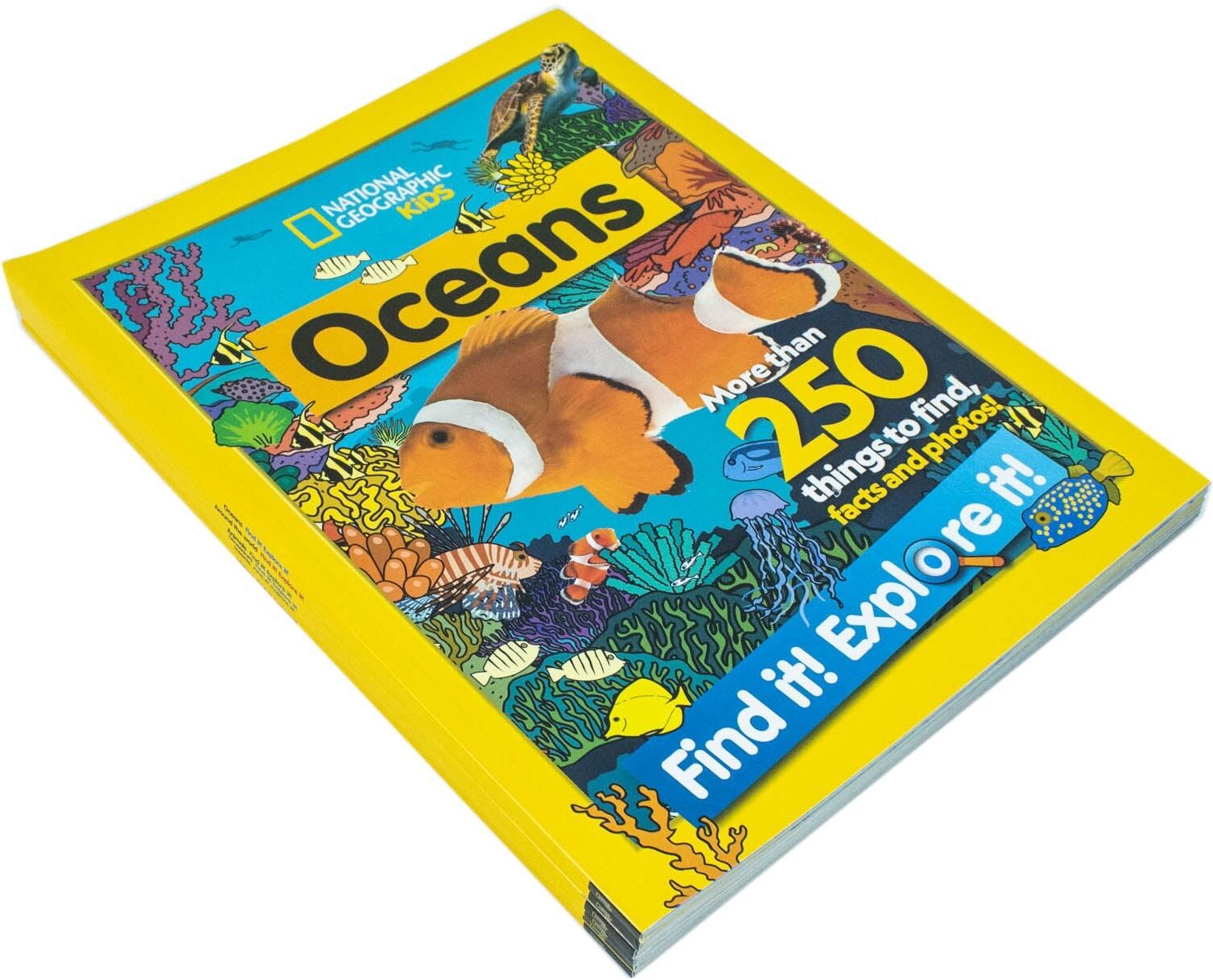
Collins National Geographic Kids Find it! Explore it! 6 Books Collection Set (Animals, Oceans, History, Insects, Around the World & Dinosaurs) ( More Than 250Animals Meet animals from around the world with this fun search and find fact book from National Geographic Kids.With colourful photos and lots of fun activities that kids will love it’s the perfect book for kids and grown-ups to enjoy together!Oceans Dive beneath the waves with this fun search and find fact book from National Geographic Kids.With colourful photos and lots of fun activities that kids will love it’s the perfect book for kids and grown-ups to enjoy together!History Travel back in time with this fun search and find fact book from National Geographic Kids.With colourful photos and lots of fun activities that kids will love it’s the perfect book for kids and grown-ups to enjoy together!Insects Meet insects from around the world with this fun search and find fact book from National Geographic Kids.With colourful photos and lots of fun activities that kids will love it’s the perfect book for kids and grown-ups to enjoy together!Around the World Go on a round-the-world adventure with this fun search and find fact book from National Geographic Kids.With colourful photos and lots of fun activities that kids will love it’s the perfect book for kids and grown-ups to enjoy together!Dinosaurs Meet dinosaurs from long ago with this fun search and find fact book from National Geographic Kids.With colourful pictures and lots of fun activities that kids will love it’s the perfect book for kids and grown-ups to enjoy together!12,49 £*Shipping: 2,99 £Secure redirect to the provider
-
Oceans - Coma Inducer® Oversized Comforter Set - Navy CurrentInspired by the vastness and ever-changing colors of the blue ocean. The time of day, angle of your view, or even weather conditions can seem to enhance the endless depth of the ocean.173,82 $*Shipping: 0,00 $Secure redirect to the provider
-
Why don't we explore the depths of the oceans?
Exploring the depths of the oceans is challenging due to the extreme pressure, darkness, and cold temperatures that exist in these environments. These conditions make it difficult for humans to survive and for technology to function effectively. Additionally, the vastness of the oceans and the high costs associated with deep-sea exploration present logistical and financial challenges. Despite these obstacles, there is ongoing interest and investment in developing new technologies and methods to explore the depths of the oceans in order to better understand and protect these important and diverse ecosystems. **
-
Is it easier to explore the universe than our oceans?
Exploring the universe and our oceans both present unique challenges. However, in some ways, it may be easier to explore the universe than our oceans. Space exploration can be done remotely using telescopes and probes, while exploring the depths of our oceans requires physically sending humans or submersibles to extreme pressures and depths. Additionally, the vastness of space means there is a lot of unexplored territory, while the oceans cover 70% of the Earth's surface and are already difficult to navigate due to their depth and complexity. **
-
Where are the oceans?
The oceans cover about 71% of the Earth's surface. They are interconnected bodies of saltwater that surround the continents. The five main oceans are the Pacific Ocean, Atlantic Ocean, Indian Ocean, Southern Ocean, and Arctic Ocean. These vast bodies of water play a crucial role in regulating the Earth's climate and supporting marine life. **
-
How many continents and oceans?
There are 7 continents and 5 oceans on Earth. **
Similar search terms for Oceans
-
Oceans - Coma Inducer® Oversized Comforter Set - Navy CurrentInspired by the vastness and ever-changing colors of the blue ocean. The time of day, angle of your view, or even weather conditions can seem to enhance the endless depth of the ocean.265,49 $*Shipping: 0,00 $Secure redirect to the provider
-
Which world oceans are there?
There are five world oceans: the Pacific Ocean, the Atlantic Ocean, the Indian Ocean, the Southern Ocean, and the Arctic Ocean. These oceans cover a vast majority of the Earth's surface and play a crucial role in regulating the planet's climate and weather patterns. Each ocean has its own unique characteristics, marine life, and importance in the global ecosystem. **
-
When did the Earth's oceans form?
The Earth's oceans are believed to have formed around 4.4 billion years ago, not long after the Earth itself was formed. The water that makes up the oceans is thought to have come from the interior of the Earth through volcanic activity, as well as from icy comets and asteroids that collided with the planet. Over time, the oceans have played a crucial role in shaping the Earth's climate, geology, and the evolution of life. **
-
What oceans are there on Earth?
There are five main oceans on Earth: the Pacific Ocean, the Atlantic Ocean, the Indian Ocean, the Southern Ocean, and the Arctic Ocean. These oceans cover approximately 71% of the Earth's surface and play a crucial role in regulating the planet's climate and weather patterns. Each ocean has its own unique characteristics, marine life, and importance in the global ecosystem. **
-
Where are the three oceans located?
The three oceans are located on Earth. The Pacific Ocean is located between the Americas to the east and Asia and Australia to the west. The Atlantic Ocean is located between the Americas to the west and Europe and Africa to the east. The Indian Ocean is located between Africa to the west, Asia to the north, Australia to the east, and Antarctica to the south. **
* All prices are inclusive of VAT and, if applicable, plus shipping costs. The offer information is based on the details provided by the respective shop and is updated through automated processes. Real-time updates do not occur, so deviations can occur in individual cases. ** Note: Parts of this content were created by AI.