Buy visaguide.eu ?
We are moving the project
visaguide.eu .
Are you interested in purchasing the domain
visaguide.eu ?
domain@kv-gmbh.de · 0541-91531010
Buy visaguide.eu ?
Is wood an organic material?
Yes, wood is an organic material because it is derived from living organisms, specifically trees. Wood is primarily composed of cellulose, hemicellulose, and lignin, which are organic compounds. As a natural material, wood can decompose and is biodegradable, further indicating its organic nature. **
What advantages do wood-based materials have over solid wood?
Wood-based materials, such as plywood or MDF, have several advantages over solid wood. They are often more cost-effective, as they can be made from smaller or lower-quality pieces of wood. Additionally, wood-based materials are more stable and less prone to warping or cracking compared to solid wood. They also offer more design flexibility, as they can be easily shaped and manipulated into different forms. **


Similar search terms for DEvidaxl-107cm-Wood-based-Material
Top-Angebote
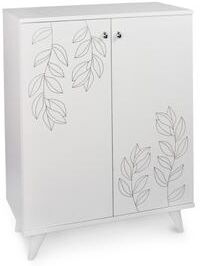
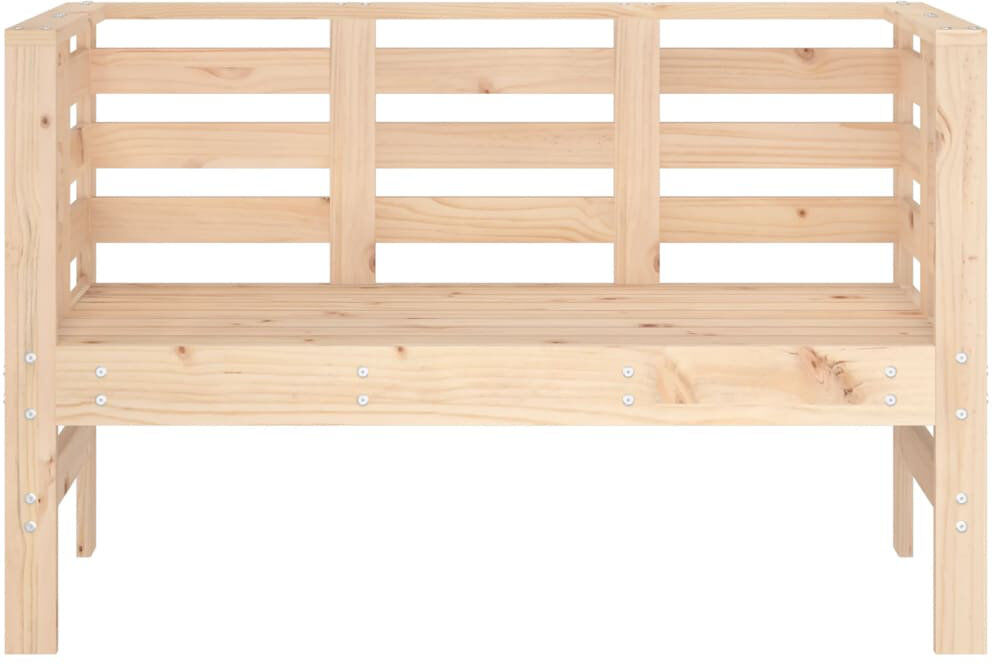
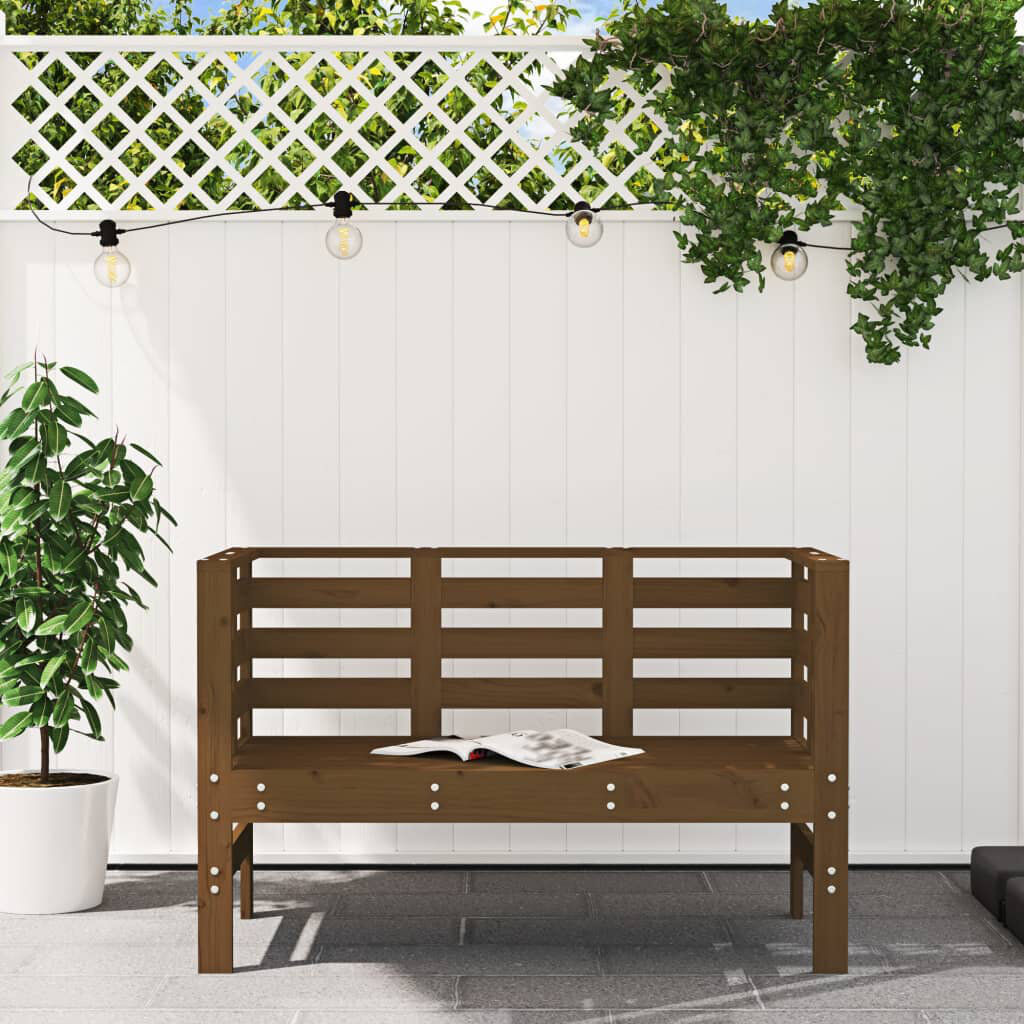
Products related to DEvidaxl-107cm-Wood-based-Material:

-
What is the difference between a water-based wood primer and a solvent-based wood stain?
A water-based wood primer is used to seal the wood surface, provide adhesion for the topcoat, and prevent the wood from absorbing too much paint. It is typically used before painting to create a smooth and even surface. On the other hand, a solvent-based wood stain is used to add color to the wood while still allowing the natural grain to show through. It penetrates the wood to provide a durable finish that enhances the appearance of the wood. The main difference is that a primer prepares the surface for painting, while a stain adds color and protection to the wood itself. **
-
How can one refer to the material in material-based writing?
In material-based writing, one can refer to the material by describing its physical properties, such as texture, color, weight, and composition. Additionally, one can use sensory language to evoke the reader's experience of the material, such as how it feels to touch, smell, or even taste. It is also important to provide specific details about the material, including its origin, history, and cultural significance, to give the reader a deeper understanding of its context and relevance. Overall, referring to the material in material-based writing involves using descriptive language and providing relevant information to create a vivid and engaging portrayal of the material. **
-
What wood material is the tabletop made of?
The tabletop is made of solid acacia wood. This type of wood is known for its durability and natural beauty, making it a popular choice for furniture. Acacia wood is also resistant to scratches and water damage, making it a practical option for a tabletop that will be used frequently. **
-
Which material is better: Styrofoam, plaster, or wood?
The best material depends on the specific use case. Styrofoam is lightweight and insulating, making it a good choice for packaging and insulation. Plaster is durable and can be molded into various shapes, making it suitable for creating sculptures and decorative elements. Wood is strong and versatile, making it a good choice for building structures and furniture. Each material has its own strengths and weaknesses, so the best choice depends on the specific requirements of the project. **

What is a claim based on material law?
A claim based on material law is a legal assertion that relies on the substantive legal rules and principles governing a particular issue. It is a claim that is grounded in the specific laws and regulations applicable to the situation at hand, rather than procedural rules or technicalities. In other words, a claim based on material law asserts that a party's rights or obligations are determined by the substantive legal standards relevant to the case. This type of claim is essential for establishing the legal basis for a party's position in a dispute or legal proceeding. **
How does material-based writing, discussion, etc. work?
Material-based writing and discussion involve using physical objects or texts as the basis for writing and discussion activities. This could include analyzing a piece of literature, examining historical artifacts, or discussing scientific experiments. Participants engage with the material, gather information, and then use it as a springboard for writing or discussion. This approach helps to ground the conversation in concrete examples and can lead to deeper understanding and critical thinking. **
Top-Angebote
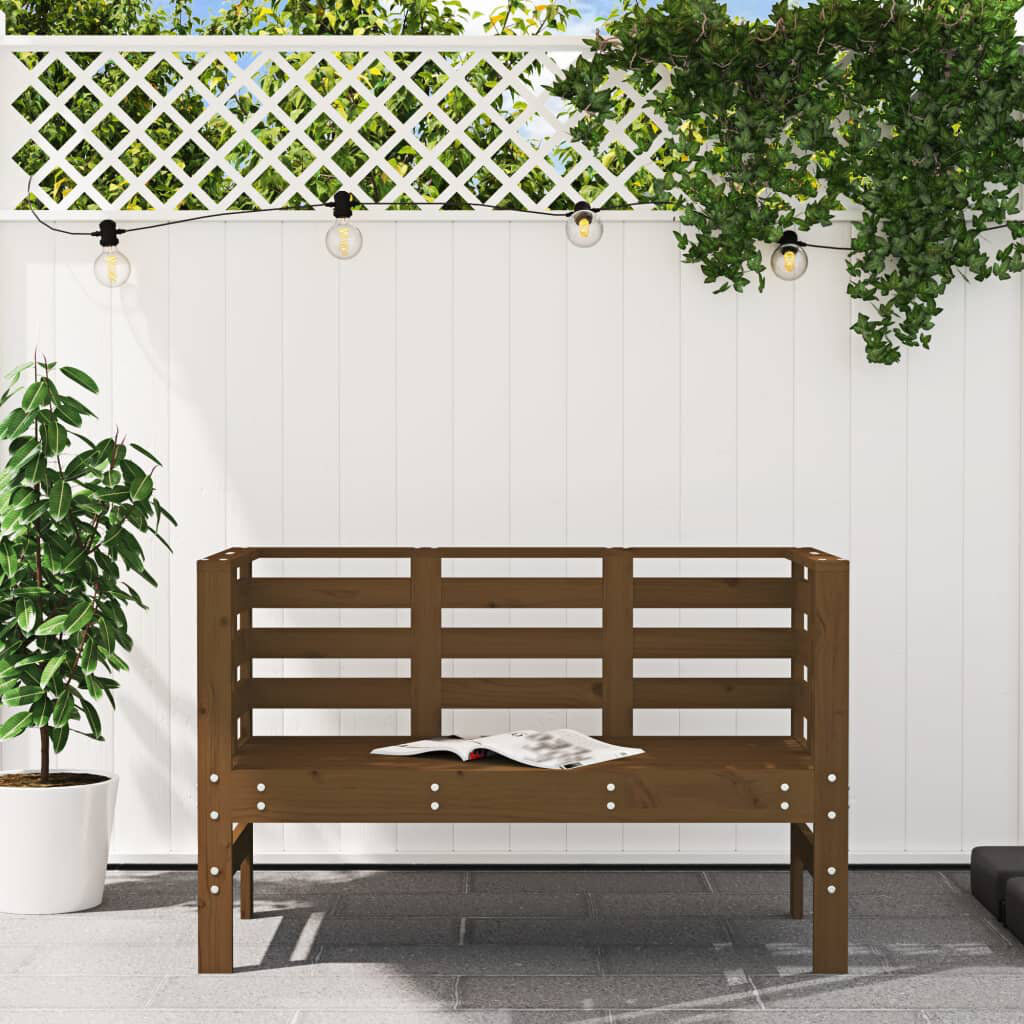
Products related to DEvidaxl-107cm-Wood-based-Material:
-
Is wood an organic material?
Yes, wood is an organic material because it is derived from living organisms, specifically trees. Wood is primarily composed of cellulose, hemicellulose, and lignin, which are organic compounds. As a natural material, wood can decompose and is biodegradable, further indicating its organic nature. **
-
What advantages do wood-based materials have over solid wood?
Wood-based materials, such as plywood or MDF, have several advantages over solid wood. They are often more cost-effective, as they can be made from smaller or lower-quality pieces of wood. Additionally, wood-based materials are more stable and less prone to warping or cracking compared to solid wood. They also offer more design flexibility, as they can be easily shaped and manipulated into different forms. **
-
What is the difference between a water-based wood primer and a solvent-based wood stain?
A water-based wood primer is used to seal the wood surface, provide adhesion for the topcoat, and prevent the wood from absorbing too much paint. It is typically used before painting to create a smooth and even surface. On the other hand, a solvent-based wood stain is used to add color to the wood while still allowing the natural grain to show through. It penetrates the wood to provide a durable finish that enhances the appearance of the wood. The main difference is that a primer prepares the surface for painting, while a stain adds color and protection to the wood itself. **
-
How can one refer to the material in material-based writing?
In material-based writing, one can refer to the material by describing its physical properties, such as texture, color, weight, and composition. Additionally, one can use sensory language to evoke the reader's experience of the material, such as how it feels to touch, smell, or even taste. It is also important to provide specific details about the material, including its origin, history, and cultural significance, to give the reader a deeper understanding of its context and relevance. Overall, referring to the material in material-based writing involves using descriptive language and providing relevant information to create a vivid and engaging portrayal of the material. **
Similar search terms for DEvidaxl-107cm-Wood-based-Material
-
What wood material is the tabletop made of?
The tabletop is made of solid acacia wood. This type of wood is known for its durability and natural beauty, making it a popular choice for furniture. Acacia wood is also resistant to scratches and water damage, making it a practical option for a tabletop that will be used frequently. **
-
Which material is better: Styrofoam, plaster, or wood?
The best material depends on the specific use case. Styrofoam is lightweight and insulating, making it a good choice for packaging and insulation. Plaster is durable and can be molded into various shapes, making it suitable for creating sculptures and decorative elements. Wood is strong and versatile, making it a good choice for building structures and furniture. Each material has its own strengths and weaknesses, so the best choice depends on the specific requirements of the project. **
-
What is a claim based on material law?
A claim based on material law is a legal assertion that relies on the substantive legal rules and principles governing a particular issue. It is a claim that is grounded in the specific laws and regulations applicable to the situation at hand, rather than procedural rules or technicalities. In other words, a claim based on material law asserts that a party's rights or obligations are determined by the substantive legal standards relevant to the case. This type of claim is essential for establishing the legal basis for a party's position in a dispute or legal proceeding. **
-
How does material-based writing, discussion, etc. work?
Material-based writing and discussion involve using physical objects or texts as the basis for writing and discussion activities. This could include analyzing a piece of literature, examining historical artifacts, or discussing scientific experiments. Participants engage with the material, gather information, and then use it as a springboard for writing or discussion. This approach helps to ground the conversation in concrete examples and can lead to deeper understanding and critical thinking. **
* All prices are inclusive of VAT and, if applicable, plus shipping costs. The offer information is based on the details provided by the respective shop and is updated through automated processes. Real-time updates do not occur, so deviations can occur in individual cases. ** Note: Parts of this content were created by AI.